Stories We Love, Truths We Check


Welcome to a curious, respectful look at the books topping charts. Today we dive into fact-checking bestselling novels, separating narrative invention from verified history, celebrating imaginative craft while carefully tracing dates, places, and claims so readers can savor drama without losing sight of documented realities.

How Fiction Bends the Record

Great storytellers compress decades into pages and composite lives into single, memorable figures. That artistry deserves admiration, yet it also invites questions: which details reflect archival fact, and which flourish for pacing, symbolism, or emotional momentum that history rarely offers?

Identifying Verifiable Claims

Start by underlining names, dates, public events, and technical descriptions that could plausibly appear in registers, newspapers, court records, or museum catalogs. Those markers become anchors for checking, letting you separate atmospheric color from statements that stake a factual, testable position.

Spotting Composite Characters

Novelists often merge several real people into a single protagonist to streamline arcs. Notice overlapping biographies, implausibly wide expertise, or omnipresent access to events. Such signs suggest an amalgam, inviting research into diaries, oral histories, and credits where multiple contributors originally acted.

When Timelines Slide

Compressed chronology gives scenes cinematic energy, but it can scramble causality. Compare chapters with contemporary calendars, weather archives, and transport timetables. If months vanish or meetings precede inventions, treat the compression respectfully while noting how altered sequence steers interpretation and character accountability.

Tools and Methods of Literary Verification
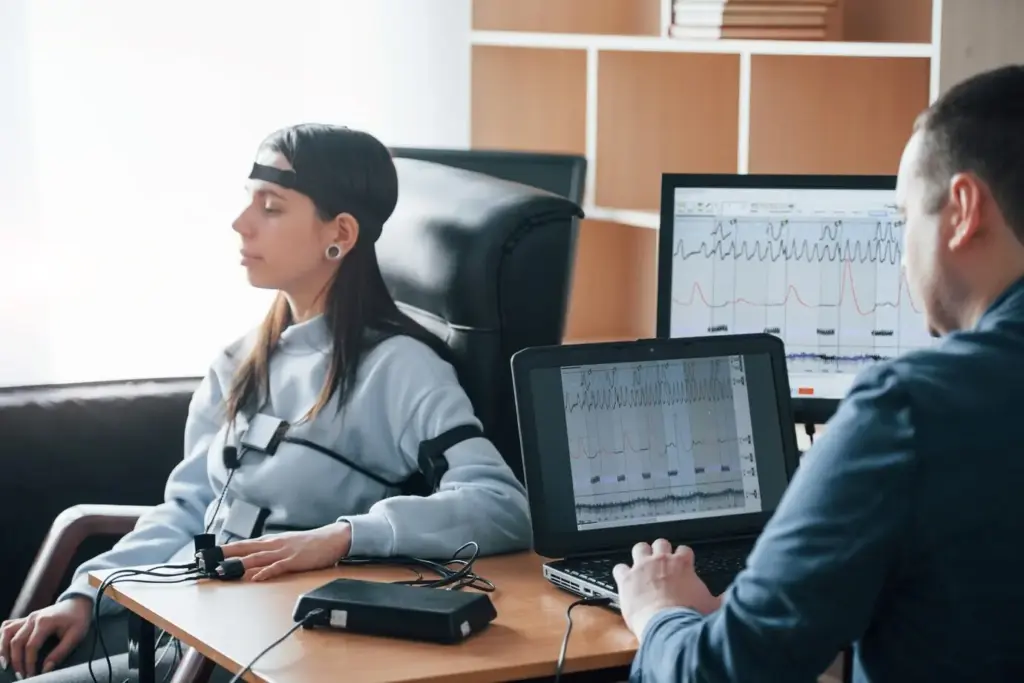
Investigation thrives on methodical habits. Balance curiosity with rigor by logging page numbers, building a source tree, and recording search paths. Combine analog archives and digital databases, triangulate with experts, and keep a journal of uncertainties to prevent confirmation bias from flattering favorite narratives.

Case Study: War Epics Under the Microscope

Blockbuster sagas set during conflicts rarely invent the fog of confusion, but they may reshape logistics, weaponry, and timelines to heighten stakes. Compare battle maps, casualty lists, and supply chains against scenes to reveal where drama accelerates beyond documented operational realities.

Ethics of Storytelling and Responsibility to History

Altering names, compressing addresses, or relocating scenes sometimes shields survivors. Evaluate whether changes obscure culpability or simply prevent doxxing. Ethical invention acknowledges sources, communicates boundaries, and refuses to profit from another’s suffering without consent, context, or reparative contributions shared with affected communities.
Best sellers can amplify bias when villains or accents caricature real groups. Compare portrayals with demographic data, linguistic research, and community testimony. Responsible reading challenges easy thrills, seeking complexity that preserves dignity while still delivering momentum, jeopardy, and catharsis earned rather than exploited.
When writers document what changed and why, readers gain trust. Look for citations, acknowledgments of uncertainties, and explicit departures from records. Such guidance turns paratext into a compass, allowing appreciation of craft without mistaking deliberate artifice for authoritative, unambiguous historical reconstruction.

Active Reading Strategies for Curious Skeptics
Building a Personal Source Map

Create a simple matrix linking characters, events, and sources that might verify each assertion. Color-code by confidence, add hyperlinks, and revisit after finishing. This living document grows with you, turning scattered notes into a navigable archive that fuels respectful, evidence-based conversations.

Questioning With Generosity

Ask, what would make this scene true, and who could confirm it? Approach discussions as shared exploration rather than scoring points. Generous skepticism invites learning, honors creative risk, and keeps communities welcoming for newcomers who are discovering research methods for the first time.

Balancing Surprise With Skepticism

Let twists thrill you while pausing to flag anachronisms, extraordinary coincidences, or technical leaps. Reserve judgment until you finish both book and research passes. The final conversation becomes richer, weaving wonder with findings that respect facts and reward careful rereads and recommendations.

Join the Investigation and Share Your Notes

We publish annotated breakdowns, invite respectful debate, and delight in tips from readers who notice inconsistencies or masterful accuracy. Send excerpts that puzzled you, subscribe for updates, and help build a collaborative library where curiosity meets documentation to illuminate beloved, contested stories.
Vekomivefuzukaxofefo
Privacy Overview

This website uses cookies so that we can provide you with the best user experience possible. Cookie information is stored in your browser and performs functions such as recognising you when you return to our website and helping our team to understand which sections of the website you find most interesting and useful.